Recently, the venerable Jim Campisano opined with all the wisdom of his age regarding the paltry sales of the current Mustang. All of which I strongly second and well said, plus I wish to add my own angle, namely, that the Mustang is in a personality crisis, but then, so is the society it’s sold into.
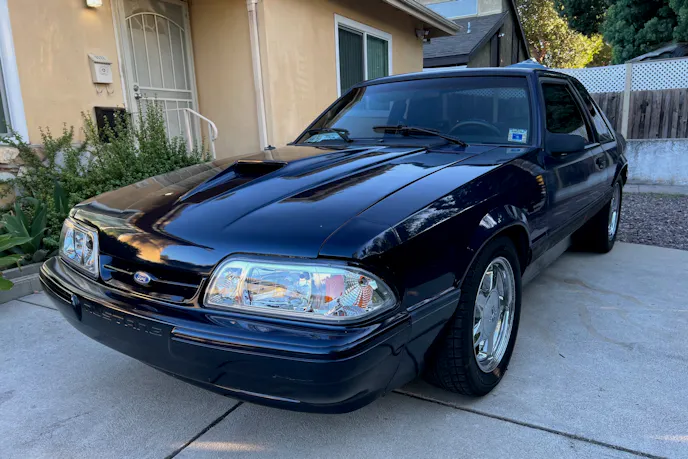
On the automotive side, modern Mustangs are too expensive and too heavy, but that shouldn’t surprise anyone. Disappoint per Campy, yes; but surprise, not really. To a great extent, Mustang pork is popular because a great number of people like it that way. Its reinforced, stiff, and good handling IRS chassis is a big factor, as is the car’s overall size, which easily accommodates two full-grown Americans.
Plus, that size is largely dictated by the wonderful yet humongous Coyote engine. Then there is that catalog of questionable extras — color-changing interior lighting, thumping sub-woofed sound systems, pages of tech information on the dashboard, substantial sound deadening, overly tall wheels, and all the other falderal of modern life. All of it weighs. And costs.
We can’t talk weight without a nod to safety items and regulations. Airbags, backup cameras, catalytic converters, and door safety beams all add weight, some more than is typically realized. Airbags, for instance, weigh a few pounds, but they also require body reinforcements to give the explosive bags a stiff enough launching pad, which adds more weight yet.
And so the weight adds alarmingly. And when there is weight, there is cost because stuff costs money, and when you have more stuff, you have a more expensive gizmo.
On the societal side, the Mustang has stayed — blessedly for we believers — true to its fundamentals as a long hood, short rear deck sports coupe (and convertible for the rental car market). That’s well off the sport utility and crossover norm today, which puts a real hurt on the Mustang’s business case inside Ford. But bravo to them for keeping the iconic pony in the stable to give the Cliche-O-Matic another spin.
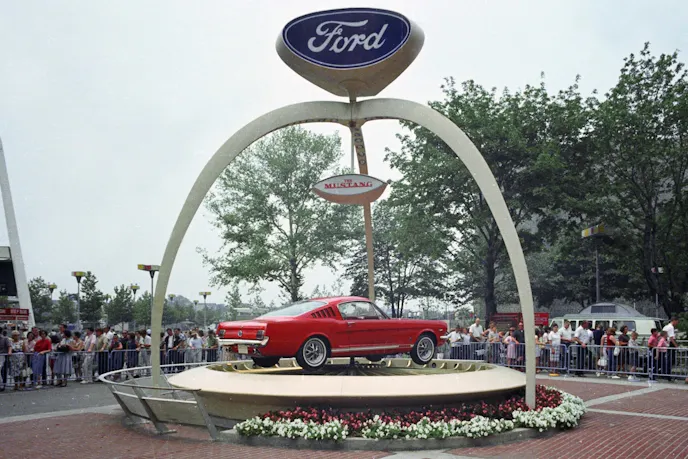
Originally, the Mustang was a Ford Falcon (cheap) with a foot cut off its trunk and added to the hood. Innocent of safety or modern comforts, first-gen Mustangs were zippy featherweights compared to their sedan contemporaries, and the boomers ate them up. Already built off an economy car platform, then pumped by massive economies of scale, made Mustangs excitedly affordable. It was a car for its time when fresh and bold were in, and getting to the moon on time was the national pastime. Everyone wanted one, and Ford spit them out of three assembly plants as fast as they could glue ‘em together.
Fast, fun, and affordable became the Mustang mantra.
But today? Fast is antisocial, people are too uptight to go for fun, and affordable is a fond memory. You need to be young at heart to wheel a Mustang, and sadly, anymore, only so many people are — or can afford to be. And here we get to the dark center of the modern Mustang; it’s gone from mainstream to niche because the society in which it lives has wobbled off into the ditch or is boldly advancing into a better tomorrow.
In either case, the economies of scale that gave the Mustang its affordable performance are gone, and acceptance of its entire raison d’être of fast fun has been cast into outer darkness. Sober adherence to a small carbon footprint is so much more exciting, says your date over the arugula, and enter the four-cylinder weekend crossover adventure wheezer she prefers to take her to those walks in the woods.
But let’s not take it personally. Sports cars — or their pony car cousins — have been reduced to a vestigial handful. Where there were once shoals of blue-collar buggies such as Austin Healy Sprites/MG Midgets, Porsche 914s, Triumph Spitfires, and TR-6s following their MGB leader, we now have the Mazda Miata and only the Miata. Big-bore sporters? All gone in a daily sense, save the Corvette, and even it’s gone mid-engine mad in euro-envy. Barracudas, Mustangs, and Camaros? Just Mustang. And oh yes, the Challenger/Charger conjunction searching for its knuckle-dragging soul under the six-cylinder and electric seat cushions.
And so the last-man-standing Mustang retreated upmarket where lucky frat boys, investment bankers, and some hard hustling regular Joes either prize the style, speed, and handling or crave the wealth- and power-signaling performance cars have always conveyed.
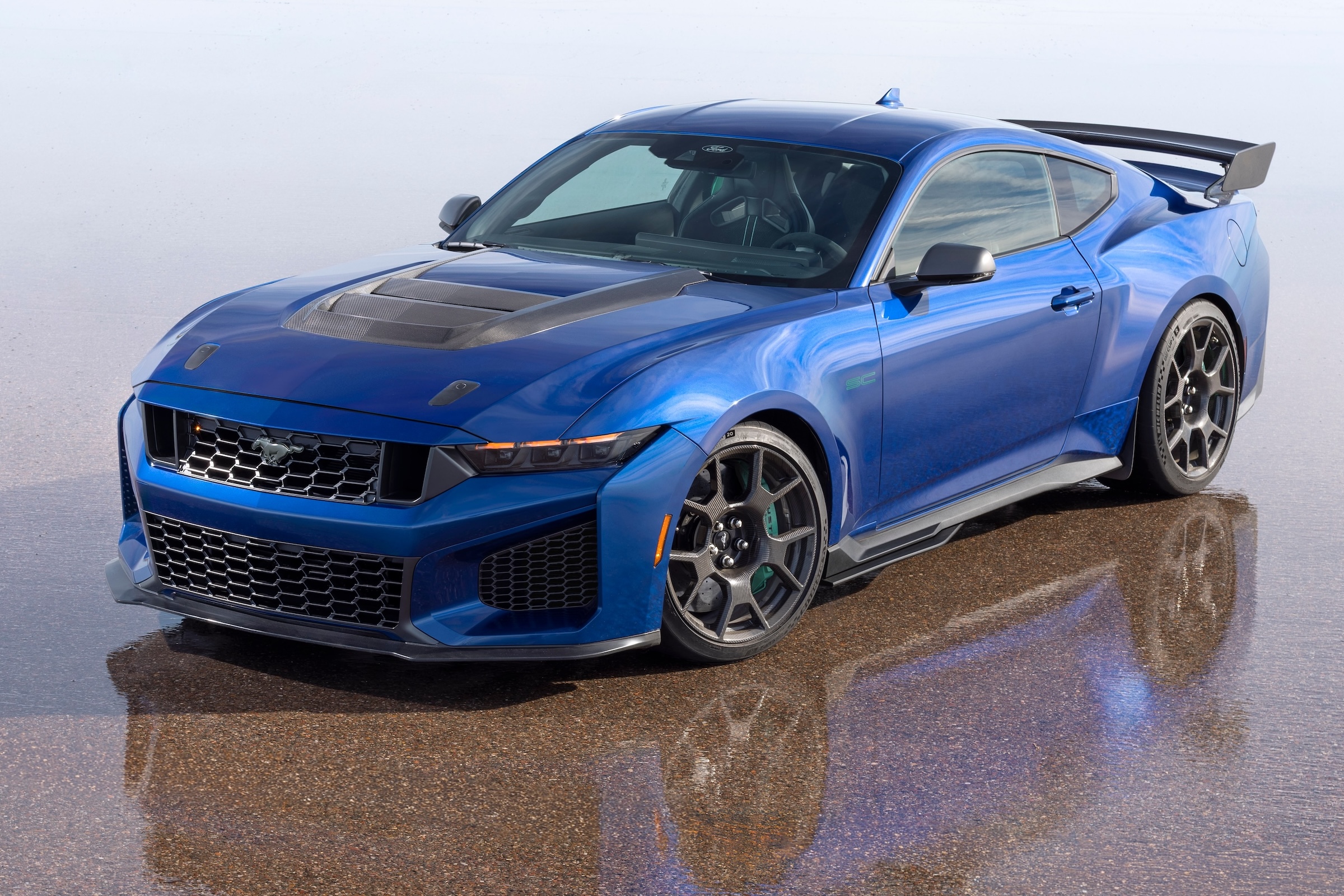
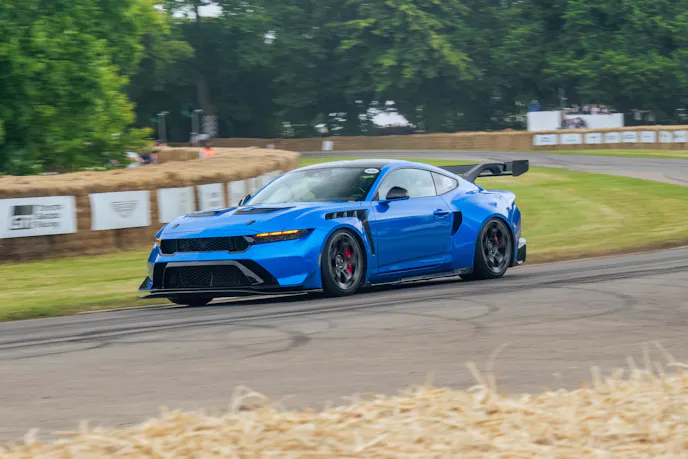
Since the Ford executive suite has fiddled with the pointy end of the formula with GTD hallucinations, we’re lucky to have thereby retained the core car, especially in V8 form and not just as a name badge on an electric appliance. While it would seem an affordable V8 Mustang is what the market wants, the company is selling the Mustang supercars in significant numbers, and that is an important contribution to keeping the brand alive, and with any luck, it will remain a viable vehicle for years to come.
You might also like
Enhance A Modern Mustang Engine Bay With SPE Coolant Tanks
Upgrading your plastic coolant reservoirs prevents dangerous track spills. SPE offers billet and fabricated tanks for S550 and S650 Mustangs.