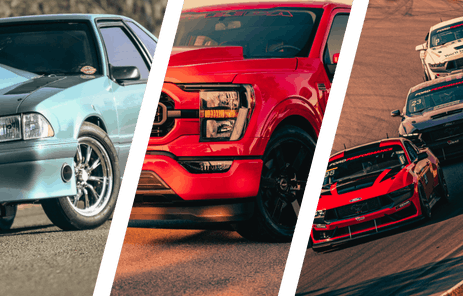
Fans of the Fox era know the appeal of a platform that benefited from Ford’s 14-year amortization. The ability to build one affordably and the sheer production numbers based on the same foundation spurred on aftermarket development that showed just how flexible these machines could be. Enthusiasts turned them into drag cars, drifters, road racers, and street machines.
Thankfully, Foxes are still thriving nearly 50 years after the platform debuted, as evidenced by recent coverage by the Specialty Equipment Manufacturers Association, the aftermarket umbrella organization that hosts the annual SEMA and PRI trade shows.
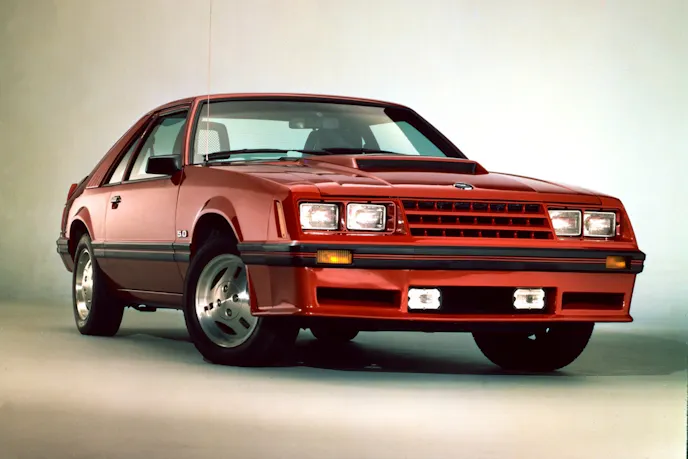
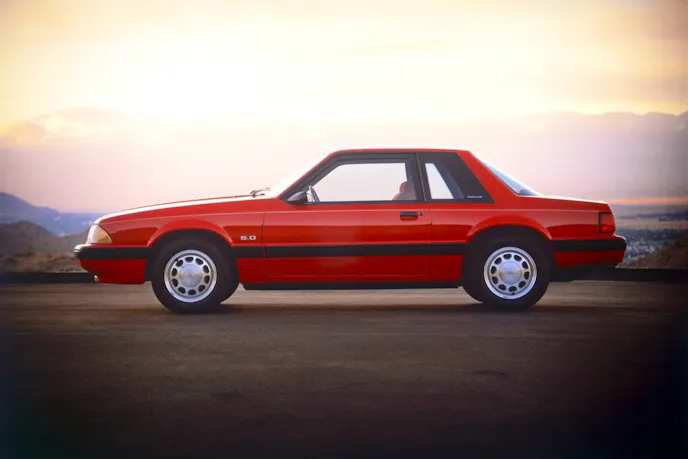
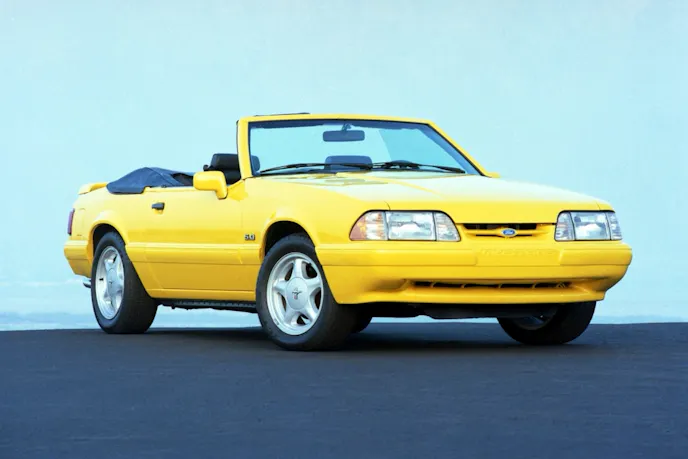
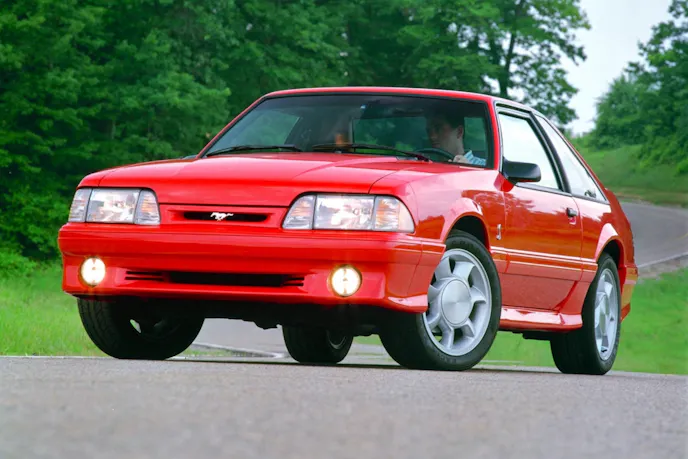
The Fox is more than its body, as the platform wasn’t exclusive to the Mustang. It also underpinned cars like the Fairmont, Zephyr, LTD, Marquis, Thunderbird, Capri, and Cougar, all sharing the same basic architecture. That versatility is part of the appeal. The Mustang, being the icon that it is, however, received the hardest enthusiast push as Ford paired its lightweight, simple layout with the punch of the pushrod 5.0-liter V8.
“I would say we’ve been messing with them on a business level for the last 13 years or so,” Manir Karim, of Dream Resto Mod, a North Carolina-based shop, told SEMA. “And definitely from when I first started to now, I’d say the last five years have been crazy as far as popularity.”
Desirable Demographic
That surge lines up with the demographic timeline of those who fell in love with these cars. The same crowd that grew up with Fox Mustangs, as well as some younger converts, is back with bigger budgets. Over the years, the Fox Mustang transitioned from its foundation as an affordable performance project to serve as the basis for record-setting race cars. During that time, the street builds also grew from bolt-on machines to six-figure Fox rods.
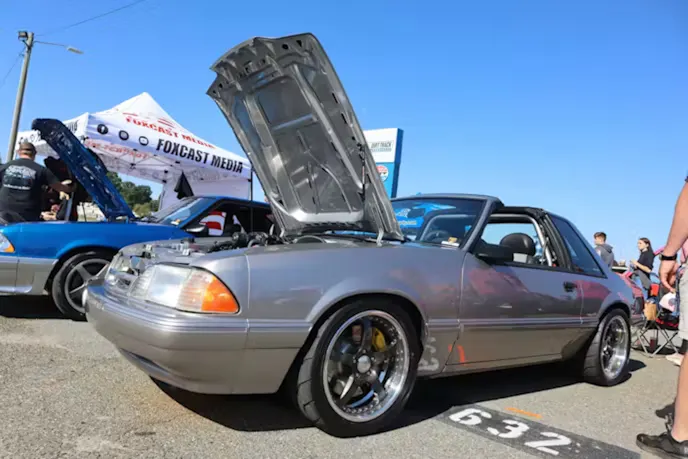
“We’ve done many no-budget Fox-body builds, which was unheard of because it was almost like you’re throwing your money away,” Karim added. “People would do it on fastback Mustangs or ’Cudas. Whatever it took, they would fix them, make them nice, but no one would do that with a Fox-body. But we have done quite a few six-figure builds, which in the grand scheme of things in the restoration world isn’t much, but for Fox-bodies, it’s a lot.”
As expectations have gone up, so has the level of development. Well-supported since its late-’80s-early ’90s heyday, the platform continues to benefit from aftermarket innovation, which is highlighted in the SEMA piece.
Aftermarket Innovation
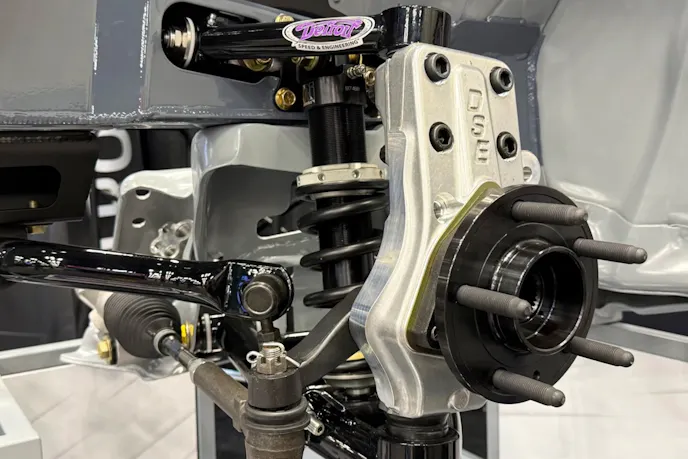
“They’re extremely well supported on a lot of the driveline stuff,” Nathan Peterman of Detroit Speed, which offers a Fox SLA front suspension, told SEMA. “But we saw a hole for a high-end racing and pro-touring-type suspension. We headed up the local track that we use and went from a 1:45 lap to a 1:43, just from the front suspension change.”
Modern suspension systems are unlocking grip and consistency these cars never had from the factory, while new chassis solutions are changing the foundation underneath them. The Roadster Shop SPEC chassis for ’79-’93 Mustangs, for example, reinforces the structure, eliminates shock towers, and opens up the engine bay for a wider range of engine combinations. The product was an immediate hit for the company.
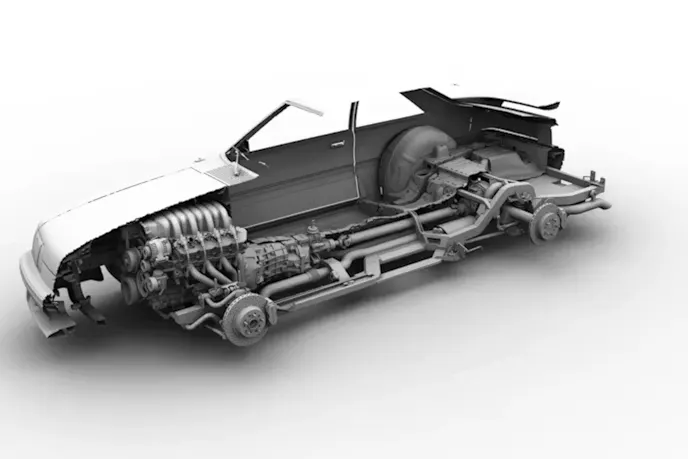
“It’s not like it just came out of nowhere. It’s been a popular car that people have modified ever since its inception. It has a huge fan base…” Jeremy Gerber of Roadster Shop, said. “So I don’t think we necessarily timed it to when the car became popular. I think we timed it so the right demographics are now getting to the point that they’re willing to spend a little bit more money than in years past.”
As the aftermarket continues to take notice and create serious upgrades, the Fox Mustang is still leveling up as a project vehicle platform, and we are here for it. If you want to learn more about SEMA’s take on Fox popularity, check out the full story over here.
You might also like
Love At First Drive Behind The Wheel Of A Mustang GTD Supercar
We went for a quick spin in the Cruise For A Cause/VMP Performance Mustang GTD. It blends high-level performance with everyday driveability.