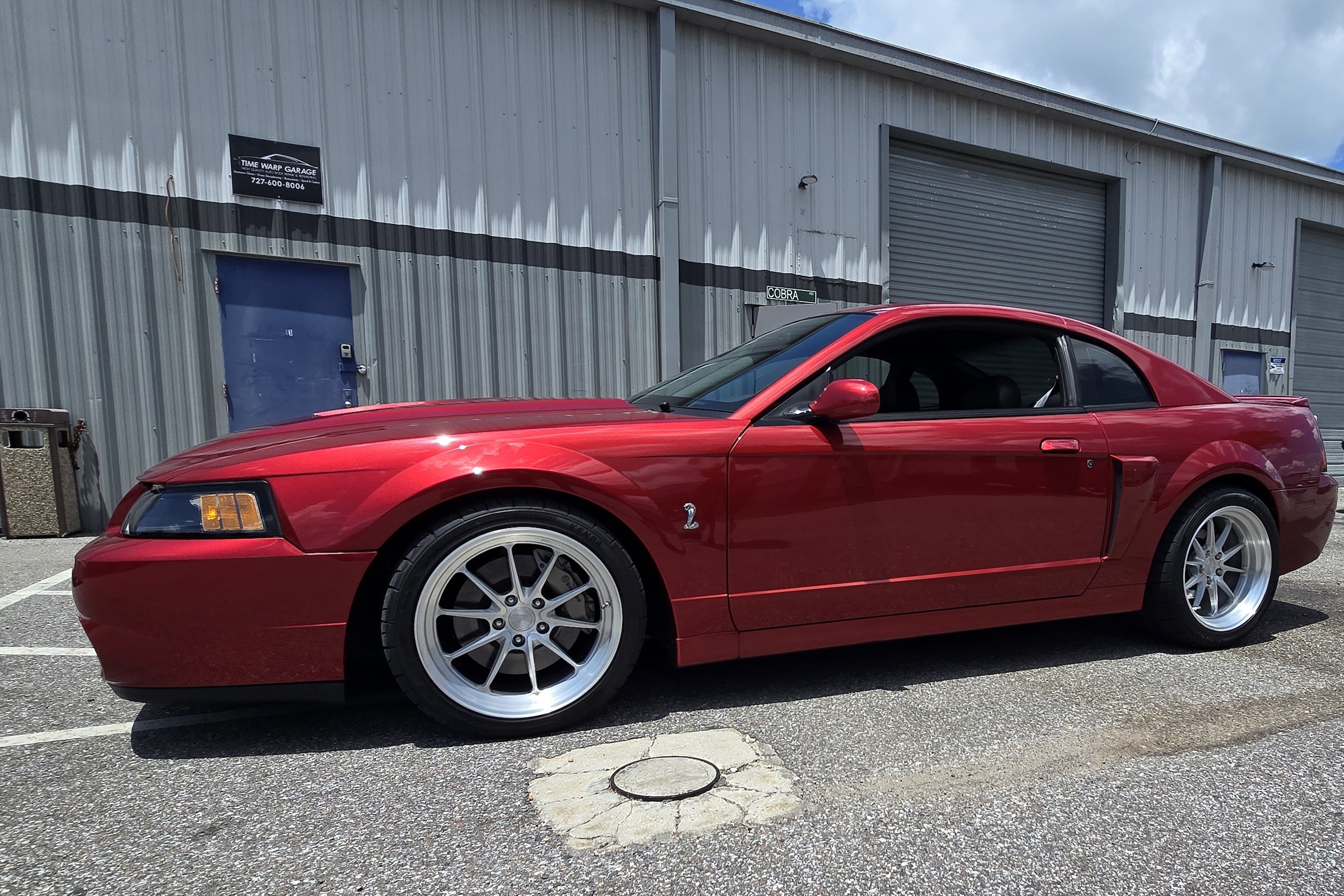
When Ford’s Special Vehicle Team unleashed the 2003 SVT Mustang Cobra, the Ford world hadn’t seen anything like it. With a supercharger, a six-speed manual transmission, and an independent rear suspension, it was the cutting-edge pony car of its era. It quickly became a favorite of enthusiasts because of its ready power gains with bolt-on mods. More power eventually takes a toll on the factory clutch, which is why Ryan Ward needed to upgrade his Terminator.
Ward’s Cobra was already making 620 horsepower on 93-octane fuel with a freshly installed Gen 2 Whipple 2.3-liter supercharger onboard. That made the clutch upgrade an important part of the plan. The goal was to put a clutch in the car that could handle the added output without turning a street-driven Terminator into a chore to drive.
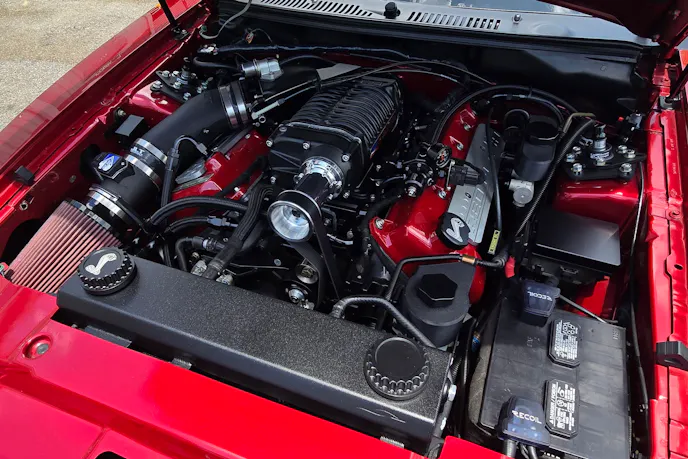
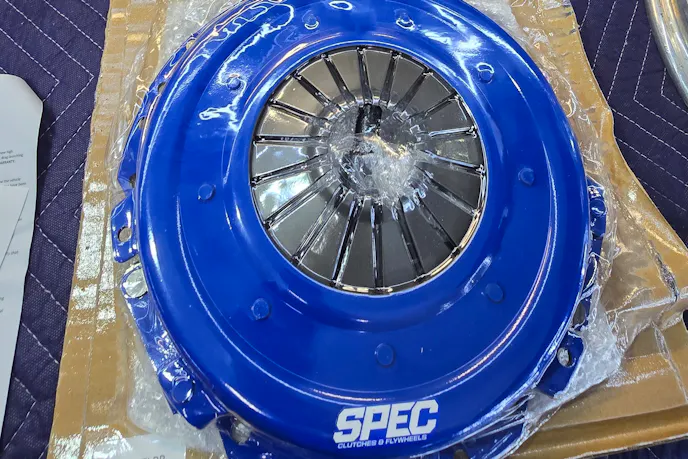
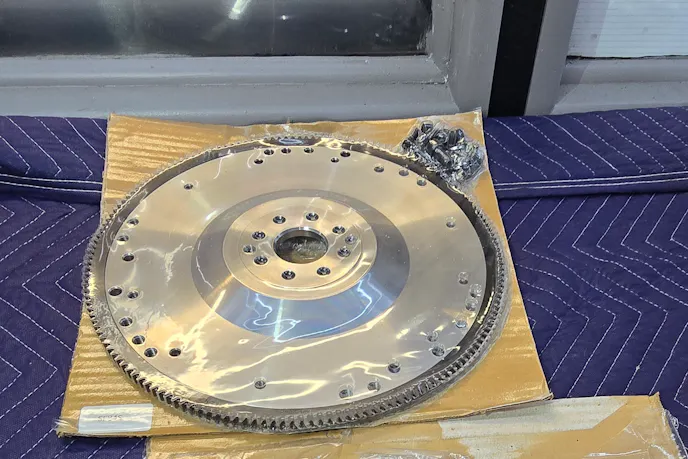
SVT Garage handled the installation, fitting the Cobra with a SPEC Stage 3+ clutch and matching flywheel. The Stage 3+ uses a full-face carbon semi-metallic friction material and a high-clamp pressure plate, giving the clutch the holding power needed for a boosted Cobra while retaining the street manners Ward wanted.
“I’ve been wrenching on these since I was a kid,” Chris Malvesti, SVT Garage, said. “My first car was a 1970 Torino, and I’ve had quite a few Mustangs. Ryan is the same; his first car was a ’01 Cobra.”
The 2003–2004 Cobras remain a specialty for SVT Garage, though the shop’s expertise spans the Ford performance spectrum. That familiarity with the Terminator platform made the clutch installation a straightforward job, even with the car’s long-tube headers already in place.
Pulling It Apart
The installation started with the usual preparation. SVT Garage techs disconnected the battery and removed the shifter from inside the cabin before the Cobra was raised securely on the lift. From there, the technicians removed the exhaust, driveshaft, and starter before unbolting the transmission from the bellhousing.
They carefully removed the TREMEC T-56 six-speed manual transmission from the car, exposing the factory clutch and flywheel. With those components removed, the technicians inspected the existing setup before preparing for the new SPEC hardware, which is a great fit for this combo.
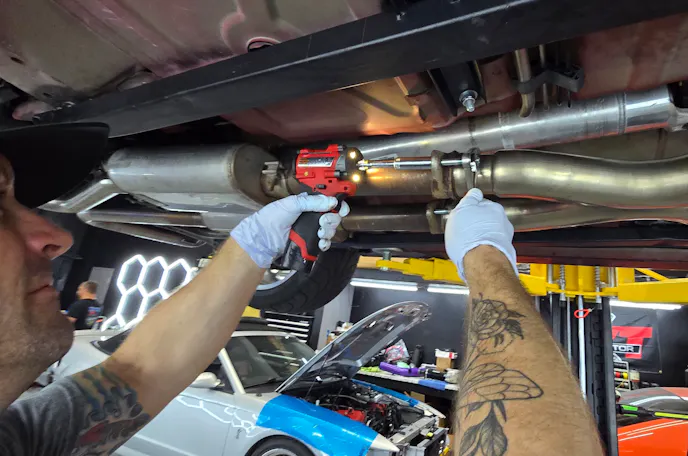
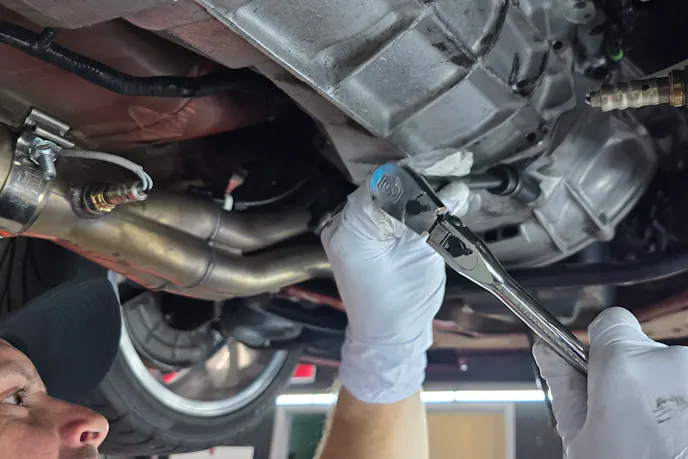
“Going too aggressive can be a problem, so we always recommend staying within the horsepower rating you will be in,” Malvesti explained. “The SPEC clutch was a great addition to Ryan’s car and gives him room to grow. He has a 2.3-liter Whipple, and this clutch is perfect for his levels.”
For a 620-horsepower street car, the Stage 3+ offered the combination of holding power and drivability Ward needed, and a professional install ensured the clutch would enjoy longevity in his tuned-up Terminator.
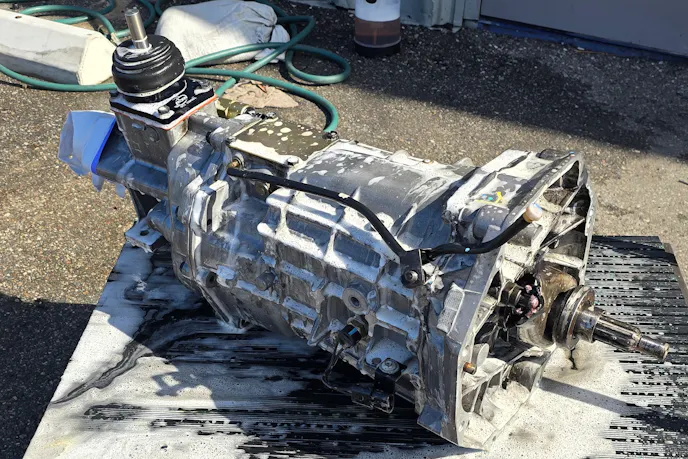
“This car had long-tubes installed, and we were able to sneak the transmission out, but being on a lift and having the correct jacks makes this install seamless,” Malvesti said.
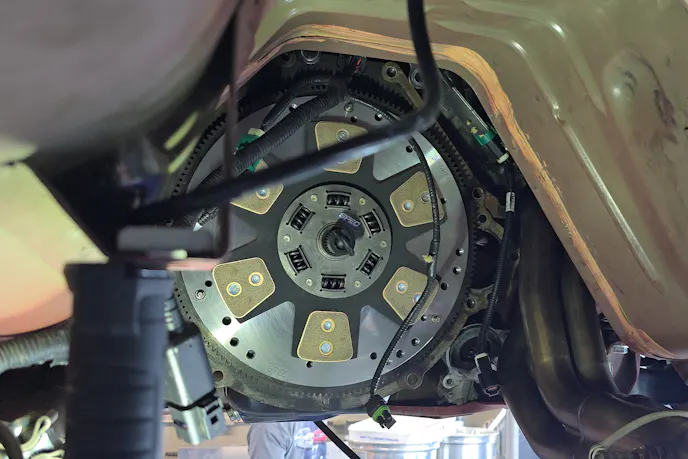
Once the factory components were out of the way, the new SPEC hardware could go in. The Stage 3+ uses a full-face carbon semi-metallic disc designed to deliver strong friction characteristics without the abrupt engagement associated with some more aggressive clutch designs.
“It’s smooth, doesn’t chatter, and feels almost like a stock clutch,” Malvesti said. “The driveability is awesome with this one too.”
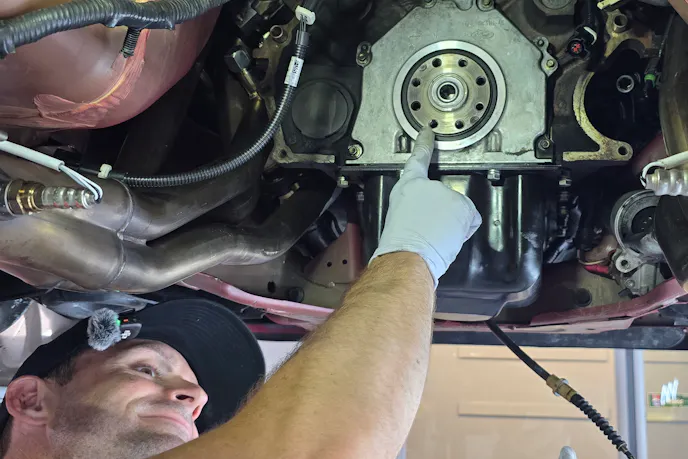
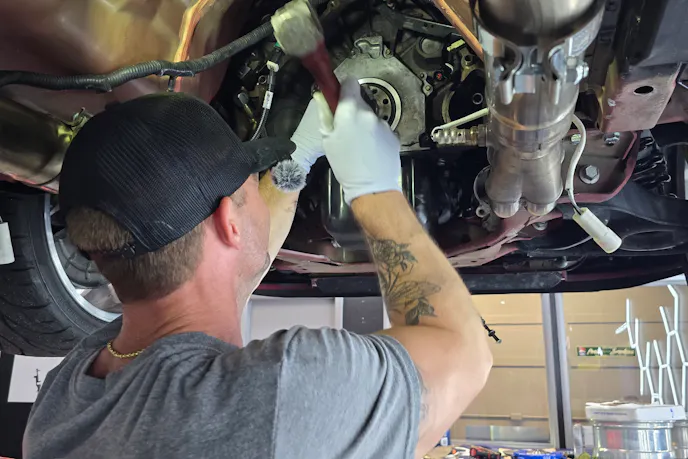
That street-friendly behavior was an important part of the clutch selection process. A clutch that can hold the power is only half the equation in a Terminator that sees regular road use. Pedal effort and engagement characteristics matter every time the car leaves the garage.
“It really reduces the effort of the pedal and keeps pretty close to the factory feel,” Malvesti said of the low-pedal effort option Ward chose.
The SPEC package is comprehensive, allowing the technicians to replace the major wear components together rather than mixing old and new parts.
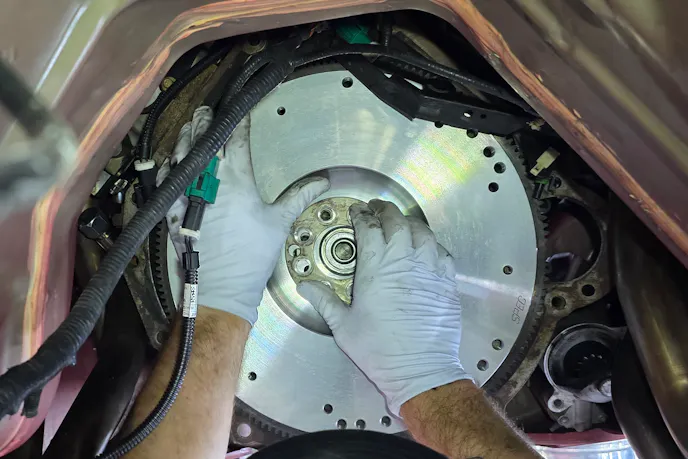
“When you’re talking about quality, they really nailed it here. We utilized everything in their package: Clutch, flywheel, throw-out bearing, and their pilot bearing,” Malvesti said. “But their flywheel looked like it was built to last and definitely felt quality.”
That complete package also gave the technicians a fresh foundation for the upcoming Whipple installation. With more airflow and boost on the way, replacing the existing clutch before it became a problem was the smart time to make the upgrade.
Bolt It In
Installation began by cleaning the friction surfaces of the new flywheel and pressure plate with brake or carburetor cleaner. Removing oil and protective residue from those surfaces is critical before assembly because contamination can affect clutch engagement and friction characteristics.
The SVT Garage team installed the flywheel with threadlocker applied to the fasteners, and the bolts were tightened in a star pattern to the applicable factory specification. The correct sequence helps distribute clamping force evenly across the flywheel.
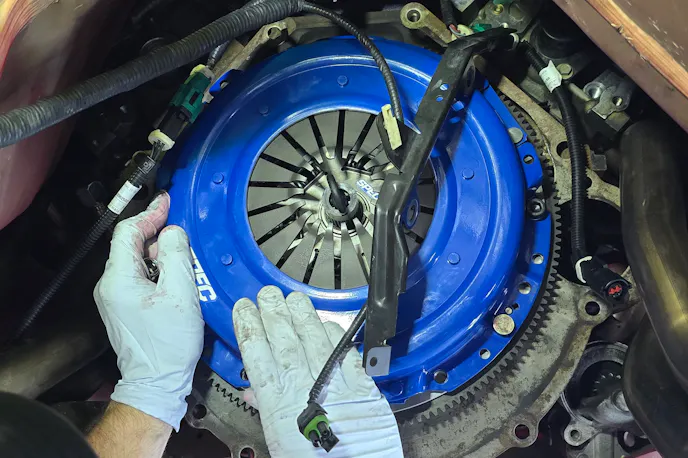
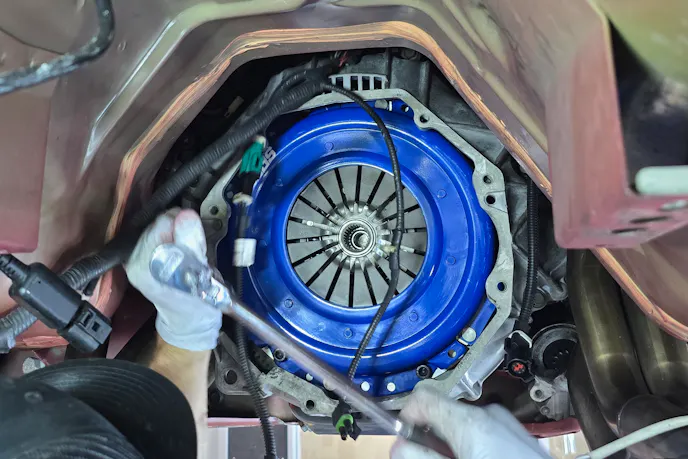
Next came the clutch disc. The friction disc was positioned against the flywheel with the correct orientation, using the supplied alignment tool to center the disc on the crankshaft. Proper alignment is critical because the transmission input shaft needs to pass cleanly through the disc during reassembly.
The pressure plate was then positioned over the disc and aligned with the dowel pins. Its fasteners received threadlocker before being hand-threaded, tightened, and torqued evenly in a diagonal pattern.
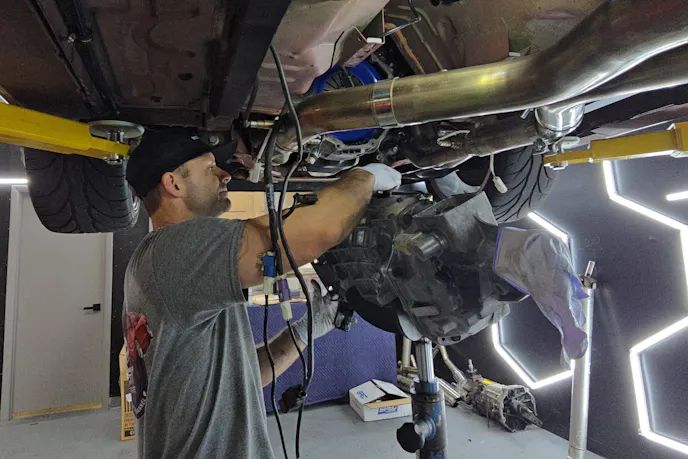
“The SPEC 3+ is a single disc and works very well,” Malvesti said. “SPEC really put together a nice clutch with this one.”
Once the pressure plate was fully torqued, the alignment tool was removed, leaving the new clutch centered and ready for the reinstallation of the factory six-speed trans.
Back In Business
With the clutch and flywheel installed, the SVT Garage technicians prepared the transmission for reassembly. A light coating of grease was applied to the input shaft splines and bearing guide tube, taking care to keep lubricant away from the friction surfaces.
Next, they raised T-56 into position and installed it without allowing the transmission to hang from the clutch disc or input shaft. Once the transmission was seated, the bellhousing fasteners were tightened, followed by the starter, driveshaft, exhaust, and interior components.
A new clutch also needed a proper break-in period. Ward put roughly 500 miles of normal stop-and-go driving on the new clutch before giving in to the temptation to drop the hammer and let the Cobra eat, which allowed the friction surfaces time to seat properly.
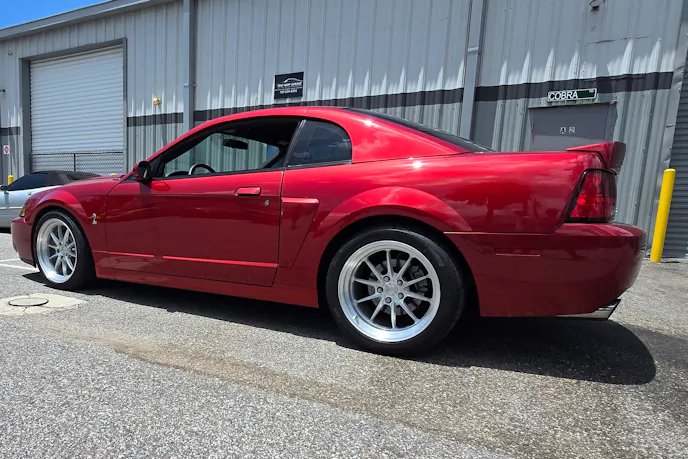
After the install, Ward’s Cobra is performing well with the new SPEC clutch, providing the holding power needed for its 620-horsepower output while retaining the street-friendly pedal feel and engagement that made the Stage 3+ attractive for the build.
“I know he wants to add more power and with the 2.3-liter Whipple he has, there’s room to grow, and the clutch will definitely keep up,” Malvesti said. “It really makes for a fun street car,” Malvesti added. “The clutch is holding up very well, and the performance of the clutch makes easy work for the Whipple.”
With 620 horsepower already on tap and more Whipple boost waiting in the wings, the SPEC Stage 3+ gives Ward’s Cobra the clutch capacity and street manners to keep enjoying the car as the boost increases.
You might also like
Dan Ryntz Swapped Two Race Mustangs From Coyote To Godzilla Power
After racing with a Coyote engine for a while, Dan Ryntz moved to Godzilla 7.3 liter engines for two of his Mustangs.