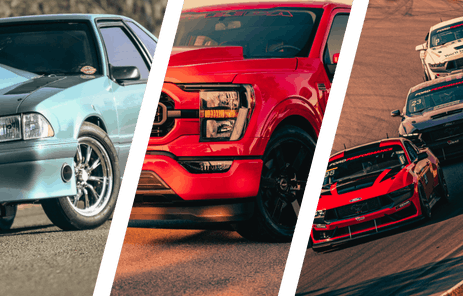
Bolting a set of Godzilla LME-ported heads onto a Ford 7.3-liter pushrod block cures airflow restrictions presented by the factory castings. Big power demands serious breathing capacity, yet stock truck cylinder heads often choke high-RPM performance street builds. Late Model Engines spent countless shop hours developing a dedicated CNC program that wakes up modern pushrod Ford power output. The Texas engine builder shaped an efficient runner profile, giving enthusiasts an aggressive top-end package for $2,799 without forcing them to buy exotic valvetrain components.
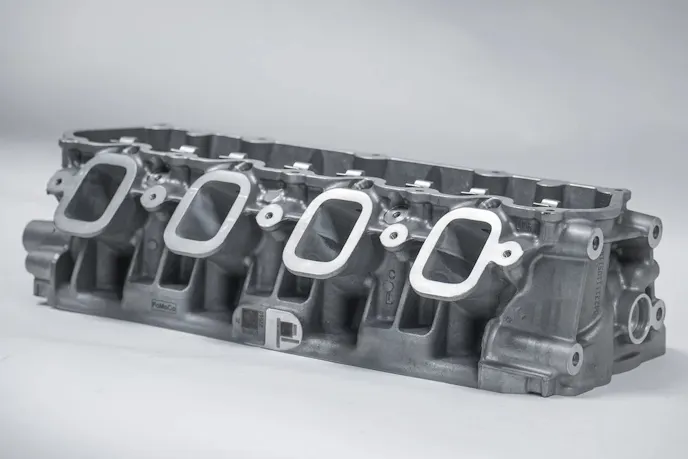
Starting with raw factory castings or used cores, they first strip away old carbon buildup across the runners and combustion bowls. Then they carefully inspect every square inch for structural flaws before deburring sharp casting flash by hand. Next, the shop measures valve guide clearances and alters the tolerances to match the exact build specs. Automated CNC milling cutters then carve the intake ports, exhaust runners, and combustion chambers to maximize total flow velocity across the entire rev range. Rather than leaving rough transition steps, the LME team cuts a competition valve job on the seats and hand-contours the metal directly into the fresh port geometry.
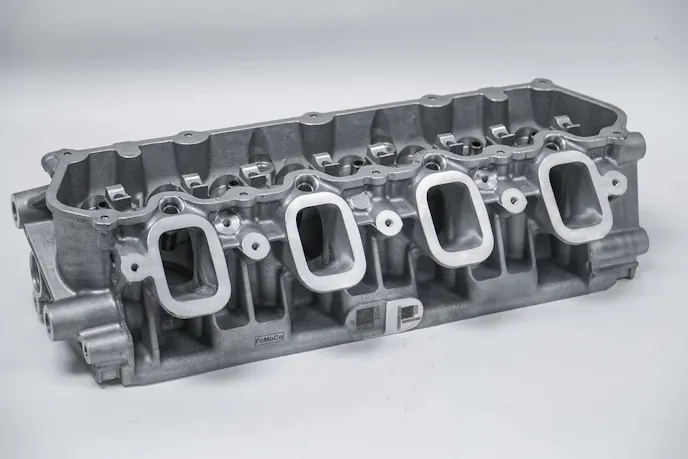
Smart valvetrain choices keep this Godzilla LME-ported head package practical for real-world engine projects. The company retains factory valves, applying a custom back-cut angle onto the intake valves to improve low-lift airflow numbers substantially. Instead of forcing Godzilla owners to chase down hard-to-find components, LME also supplies an in-house valve spring kit that accepts standard LS springs.
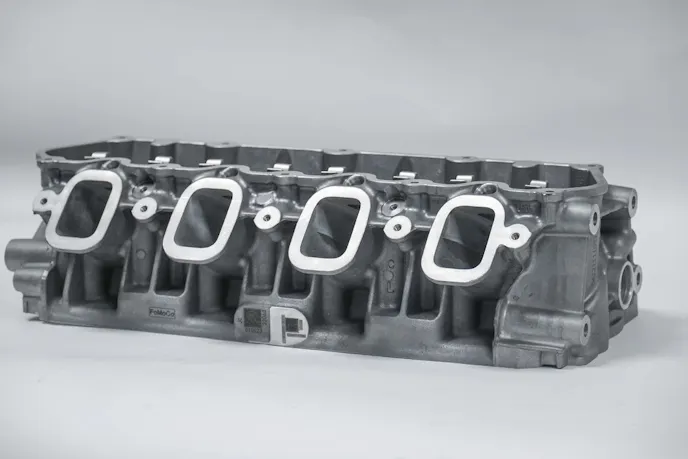
Rolling an engine off the dyno with the right airflow package makes all the difference when chasing serious horsepower on the street or drag strip. Late Model Engines proved that thoughtful valvetrain geometry and smart spring selection will improve performance every time.
You might also like
First And Last Classic Shelby GT500 Droptops On Display In Vegas
See the first and last classic Shelby GT500 convertibles in Las Vegas. These rare muscle cars are on display through December 15.