One of the biggest milestones in Ford’s return to top-level endurance racing has officially arrived, and it came with the unmistakable sound of a naturally aspirated V8 roaring to life for the first time inside the team’s new Hypercar chassis.
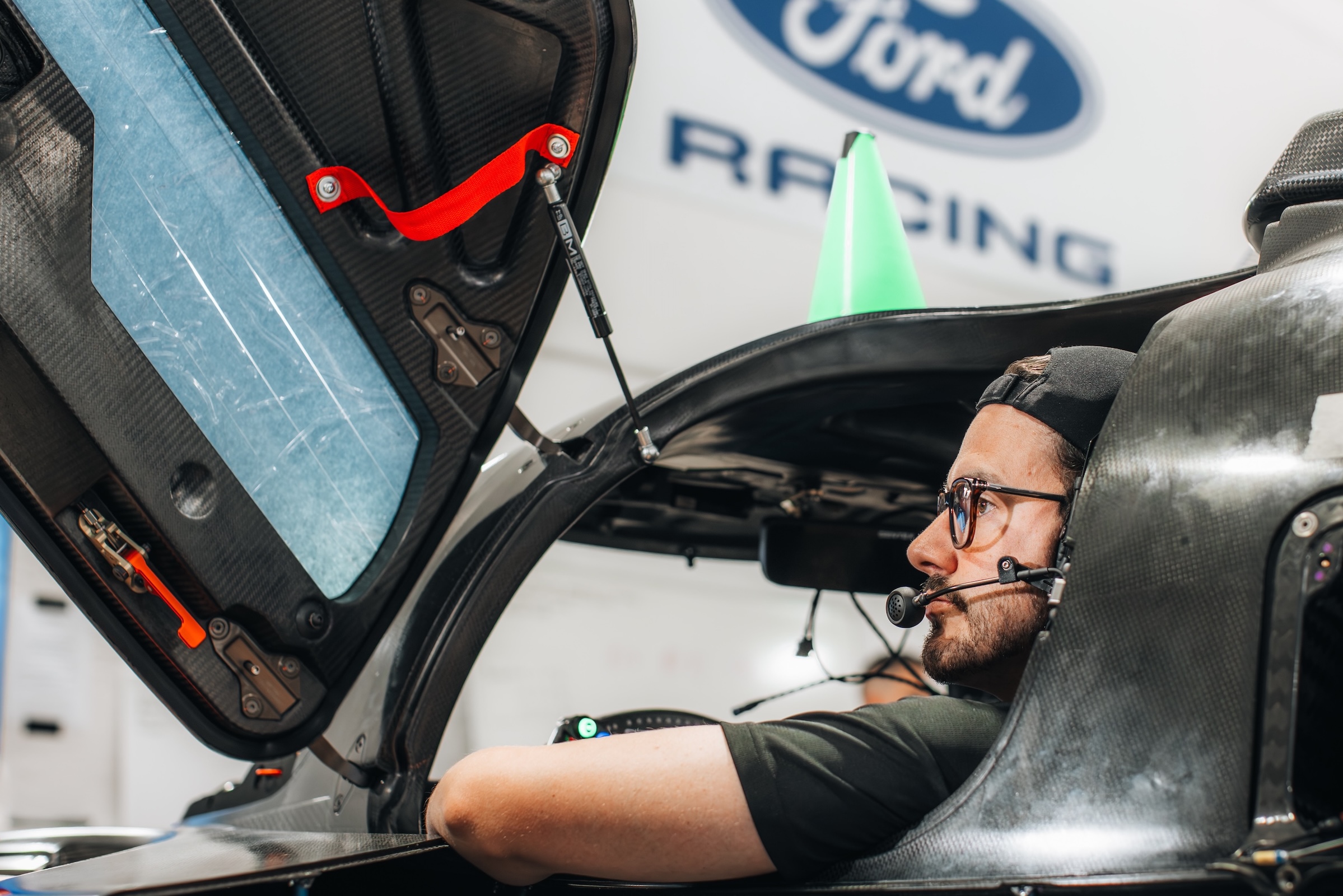
Last week, Ford Racing fired the 5.4-liter Coyote-based V8 in its FIA World Endurance Championship Hypercar for the first time with the hybrid system installed and integrated within the ORECA-developed chassis. The moment marked the first time the complete package came together outside the dyno cells in Dearborn and represented a major step toward the program’s on-track debut.
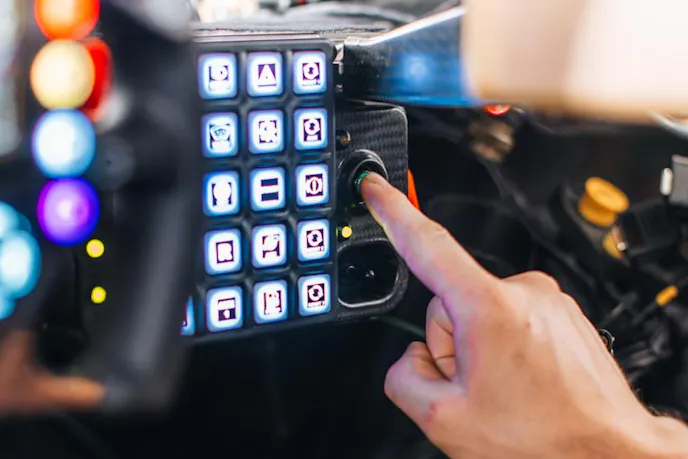
The naturally aspirated 5.4-liter V8 was designed, developed, and built in-house in Michigan, creating a direct connection between Ford’s racing efforts and its production performance vehicles. According to the program team, the engine also serves as an important bridge for technology transfer between the racetrack and the road, which is a tantalizing tease that we may one day see an NA 5.4 Coyote spreading the shock towers of a production vehicle.
Development work on the engine has been ongoing in Dearborn, where Ford engineers have been pushing the limits of its performance and durability while learning more about the package as development progresses. That work has taken place alongside ORECA’s chassis program, with both efforts now converging into a complete Hypercar ready for its next phase of testing.
Major Moment
“The firing of the engine at ORECA is more than a symbolic moment — it’s a critical validation step. We are doing everything from an engine perspective in-house, and we’re doing that because we can react faster, we can learn faster, and we can bring that back to the production side of the business,” Dan Sayers, WEC Hypercar Program Manager, Ford Racing, said. “Hearing the Coyote V8 come alive within its intended home for the first time confirmed that months of integration work between the powertrain and chassis teams had paid off.”
Ford Racing’s comprehensive track-testing schedule begins next month at circuits throughout Europe, where the team will focus on performance, reliability, hybrid-system integration, and aerodynamic validation in conditions intended to replicate the demands of FIA World Endurance Championship competition and the 24 Hours of Le Mans.
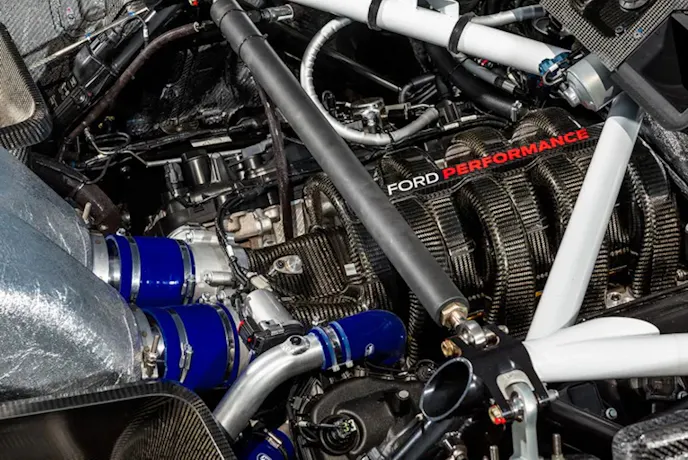
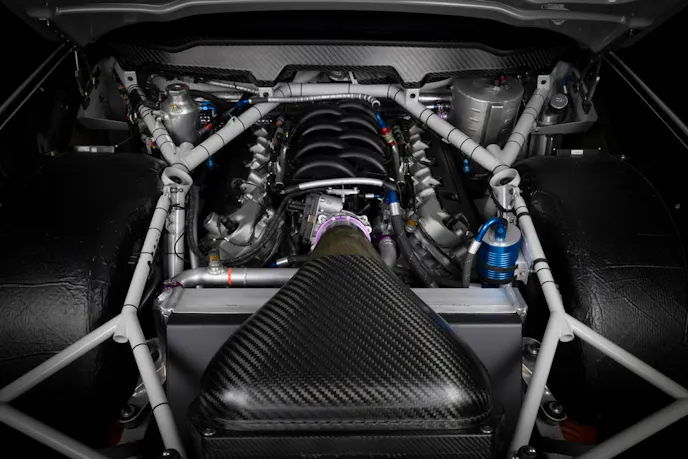
The six-driver roster will play a critical role as development shifts from simulator work and dyno testing to laps on real circuits in Europe and later in the United States. Their feedback will help refine the package as Ford moves closer to its goal of returning to fight for victory at Le Mans.
“Of course, it’s early days, and we have a huge amount of work ahead of us, but the sim work and dyno numbers give us a great foundation, but there’s no substitute for what the drivers feel through the wheel and the seat once we’re actually out on track,” Sayers added. “That feedback loop is what will truly sharpen this car over the upcoming months.”
With the engine now firing inside the chassis and a track debut only weeks away, Ford’s Hypercar effort is really coming to life. For enthusiasts, hearing the roar of another Coyote V8 variant powering Ford’s latest factory endurance program shows promise that V8 engines are still in the game for the long haul.
You might also like
Foxzilla Roars Back To Life With An All-Natural, Modernized Mission
Foxzilla returns with a naturally aspirated 7.3-liter Godzilla and an 8HP automatic. It will also add modern traction control and ABS.