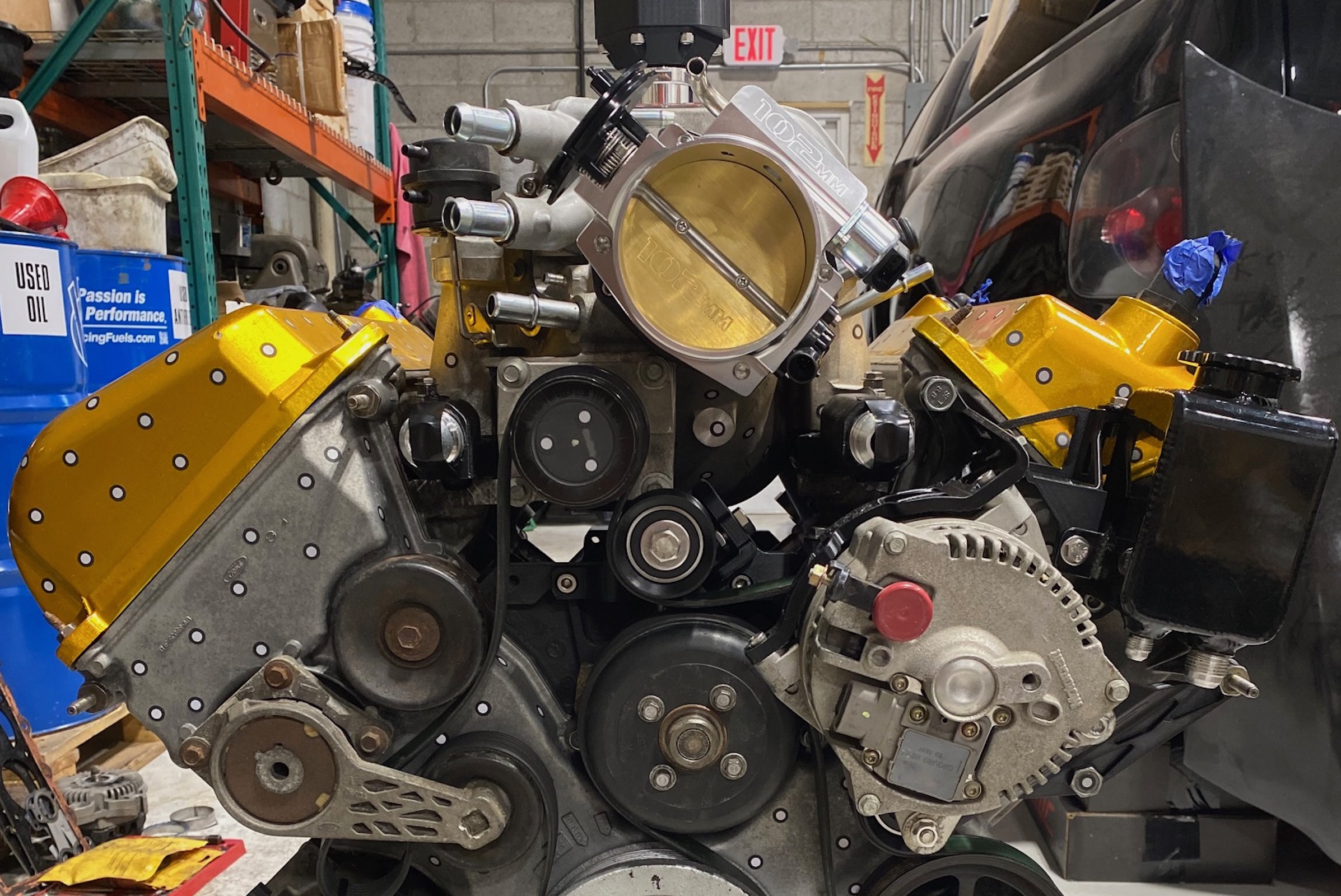
There’s something undeniably cool about the sound of a blown modular engine when you stand on the throttle. The Eaton whine that defined the early 2000s still hits, but technology has moved on. Now there’s a way to bolt that next-generation TVS boost onto Ford’s 5.4-liter Four-Valve and let it really eat.
The Predator blower swap kit from GAPerformance in Pompano Beach, Florida, adapts the factory Eaton 2.65-liter TVS supercharger from the 5.2-liter Predator engine, which is best known for powering the 760-horsepower Ford Mustang Shelby GT500, to the earlier 5.4-liter Four-Valve modular platform. The result is a modern, high-efficiency supercharger solution for combinations that traditionally lacked strong off-the-shelf options.
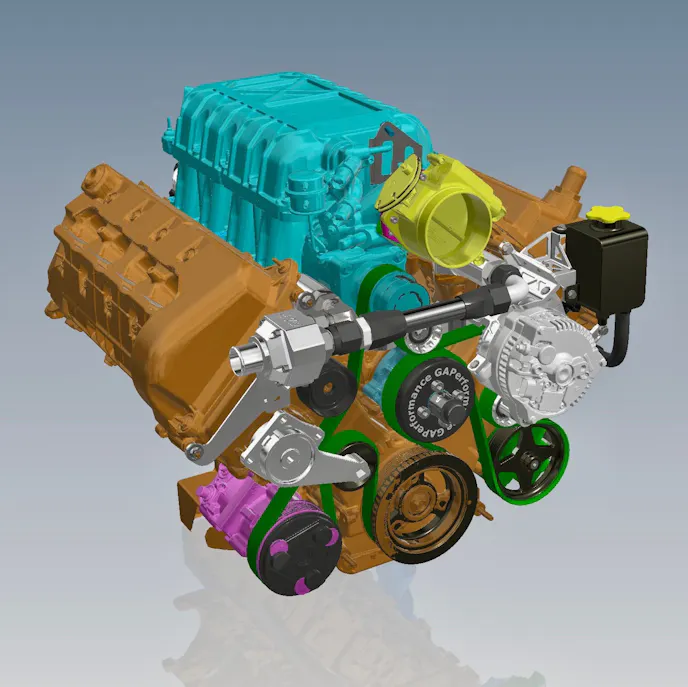
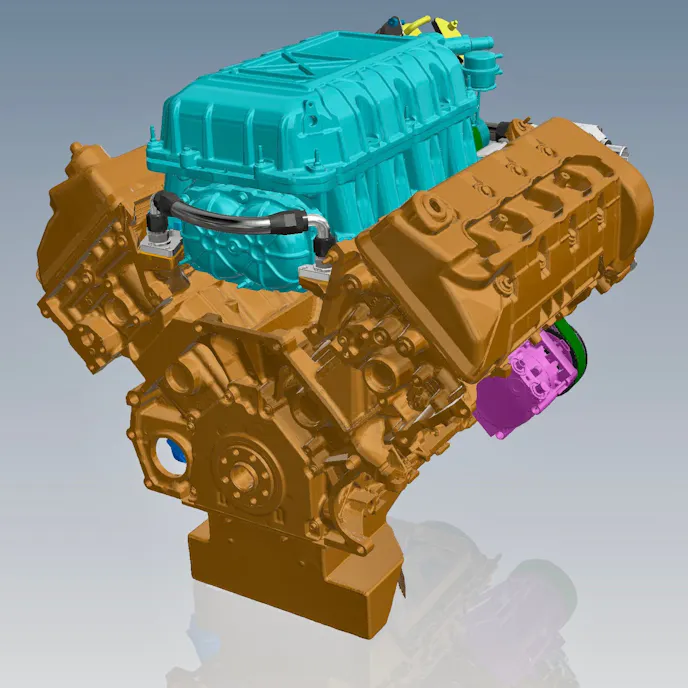
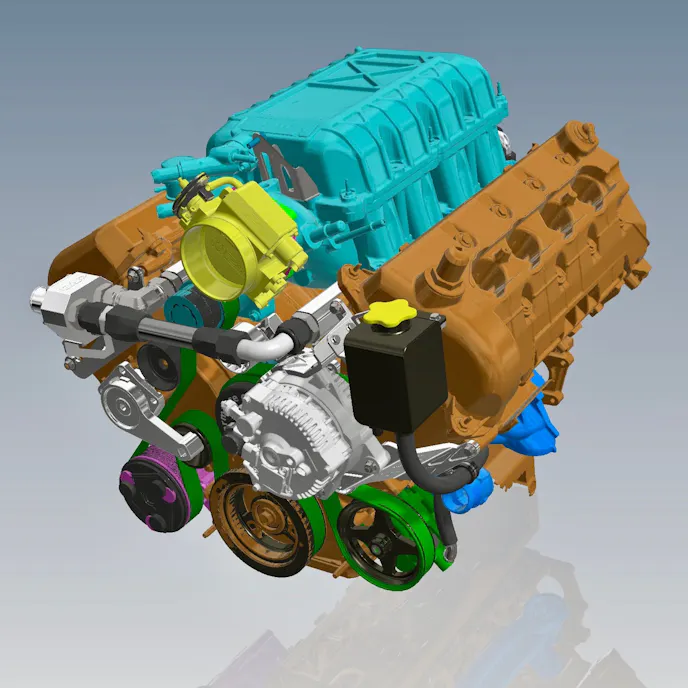
“The mission for this kit is to honestly breathe new life back into older platforms that performance companies have started to forget about, or they offered nothing good from the start. If you think about it, this engine, the 5.4-liter Four-Valve, is the precursor to the Coyote, and they are absolutely amazing engines,” Garrett Arnone explained. “If a 5.4-liter Two-Valve can make 750 horsepower with an aftermarket supercharger. Could you imagine what the Four-Valve will do with a newer-technology supercharger? The idea behind making the entire kit — not just the adapters — is to make sure we thought of everything and didn’t leave someone who isn’t as capable of coming up with belt solutions hanging.”
From an engineering perspective, the Predator TVS is a measurable step forward compared to the original Eaton M112 and early TVS variants used on factory-blown modular combinations. The 2.65-liter unit’s rotor pack and inlet configuration are optimized for airflow and charge efficiency, supporting higher airflow with improved thermal efficiency. On a built 5.4 Four-Valve with adequate fuel system and a proper calibration, that airflow potential should translate into muscular power gains without driving the blower out of its efficiency range.
Adapting For Boost
“These trucks came with a 5.4-liter Two-Valve. By switching to an engine with Four-Valve head, horsepower gains are easy to come by,” Arnone said of the classic, second-gen SVT Lightning. “The only problem lies in finding a supercharger system. They just don’t make anything off the shelf that you can buy for these engines….”
Instead of stopping at a billet adapter, GAPerformance engineered a full-system solution. The kit addresses supercharger mounting, belt routing, idler placement, and accessory drive alignment, so installers aren’t left solving pulley wrap or tension issues on their own. That attention to front-drive geometry is critical on a positive-displacement setup where belt slip can lead to lost boost and inconsistent power delivery.
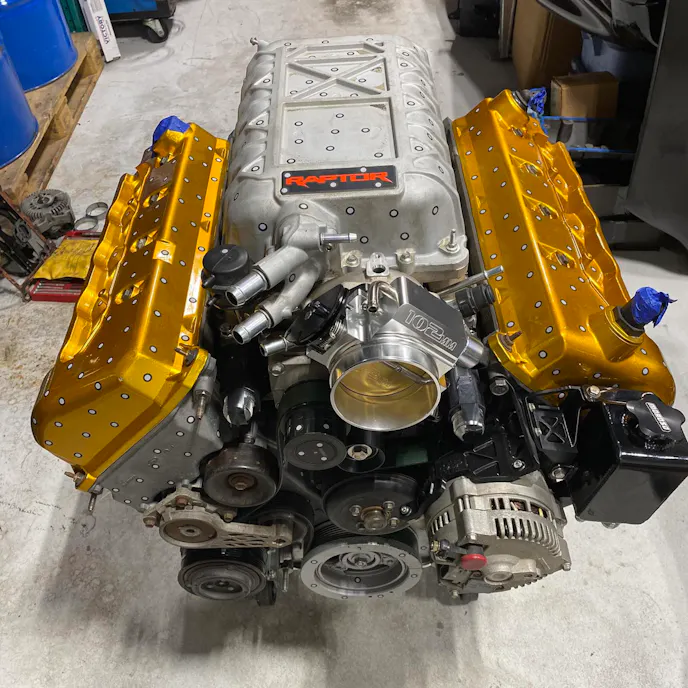
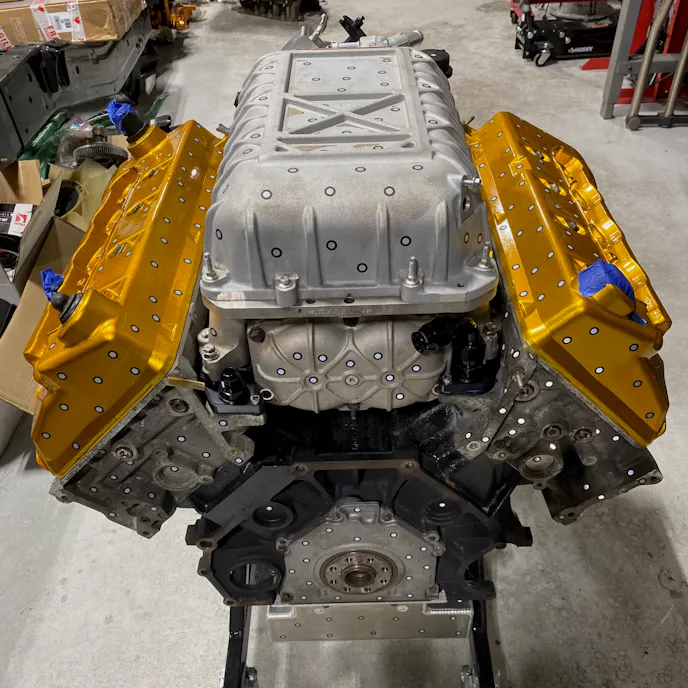
“I don’t see why we couldn’t see 750-plus horsepower on an engine that has upgraded rods. They are, unfortunately, the weak link in these engines. Rated for roughly 500 horsepower just like all the 4.6-/5.4-liter engines,” Arnone said. “This kit wasn’t designed to be a ‘budget supercharger’ swap kit. I’m first and foremost a performance shop. I want the end user to be able to make horsepower, and not be limited by a ‘cheap, quick solution.’”
That 750-plus horsepower outlook aligns with long-established modular realities. Factory powdered-metal rods in Modular engines are generally considered reliable around the 500-horsepower threshold. Upgrading the rotating assembly removes that ceiling and allows the Four-Valve 5.4-liter V8 to take full advantage of the Predator blower’s airflow capacity, positioning the combination squarely in modern street/strip territory.
Passion For Performance
Arnone’s technical focus on this platform is rooted in hands-on experience with the truck that redefined factory supercharged performance in the early 2000s. His early exposure to the second-generation Lightning shaped both his enthusiasm for Modular power and his understanding of what these engines respond to when properly modified.
“I was only 15 when the second-generation Lightning came out, but I was already a car kid/guy. It was such an exciting truck to see in person, that Sonic Blue color turned my head anytime I saw one. I knew when I was that young, I had to own one. I watched the records it made, and all the articles it was in. I mean, it was beating the SRT10 at that time,” he recalled. “That whine you’d hear as the truck screamed past you, you just can’t beat it.”
That progression, from modifying factory-blown 5.4 Two-Valve combinations to developing swap solutions for Four-Valve and late-model hardware, is the foundation behind this Predator blower kit’s design philosophy. The goal is not just peak dyno output, but a cohesive system that delivers repeatable boost, factory-style accessory functionality, and the airflow capacity to support serious power when the rest of the combination is up to the task.
For builders planning a Four-Valve 5.4 project, whether in a Lightning, GT500 swap, or custom application, the kit offers a defined path to modern TVS performance. GAPerformance is offering both a full kit starting at $2,454.99 and component options, with preorder details available via the company’s website for those ready to step into Predator boost. And, we can’t wait to see what sort of power this combo produces.
You might also like
LMR Kickoff Party Opens Mustang Week Texas In Style
Mustang Week Texas starts with the Kick-Off Party presented by LMR at the Galveston Historic Pleasure Pier parking lot next to Fish Tales!